

1. High reliability. Drivers for LED streetlights, in particular, are installed at high altitudes, making maintenance inconvenient and costly.
2. High efficiency. LEDs are energy-saving products, so the driver efficiency must be high. This is especially important for the structure where the driver is installed within the lamp. Because the luminous efficiency of LEDs decreases as the temperature rises, heat dissipation is crucial. A high-efficiency power supply reduces power loss, which in turn reduces heat generation within the lamp and reduces the temperature rise. This helps slow down the LED's lumen degradation.
3. High power factor. The power factor is the load requirement of the power grid. Generally, there is no mandatory standard for appliances under 70 watts. While a low power factor for individual low-power appliances may not significantly impact the power grid, the concentration of similar loads at night when many people light up can cause significant pollution. It is reported that there may be specific power factor requirements for 30-40 watt LED drivers in the near future.
4. There are two common drive methods: one uses a constant voltage source to power multiple constant current sources, each of which independently powers each LED channel. This approach offers flexibility, and a failure in one LED does not affect the operation of other LEDs, but it carries a slightly higher cost. The other approach uses direct constant current power supply, with LEDs connected in series or parallel. This approach offers the advantage of lower cost, but also reduces flexibility and requires resolving the issue of ensuring that a failure in one LED does not affect the operation of other LEDs. These two approaches will coexist for a period of time. The multi-channel constant current output power supply approach offers better cost and performance, and may become the mainstream approach in the future.
5. Surge Protection: LEDs have relatively poor surge protection, especially reverse voltage resistance. Strengthening this protection is also crucial. Some LED lights are installed outdoors, such as LED street lights. Due to grid load switching and lightning strikes, various surges can enter the grid system, some of which can damage the LEDs. Therefore, LED driver power supplies must be able to suppress these surges and protect the LEDs from damage.
6. Protection: In addition to standard protection features, it's best to include negative LED temperature feedback in the constant current output to prevent the LED from overheating.
7. Protection: For exterior-mounted luminaires, the power supply structure should be waterproof and moisture-proof, and the housing should be sun-resistant.
8. The lifespan of the driver should be compatible with the lifespan of the LED.
9. Safety regulations and electromagnetic compatibility requirements must be met.
What are the advantages of LED power supplies?
Popular Products
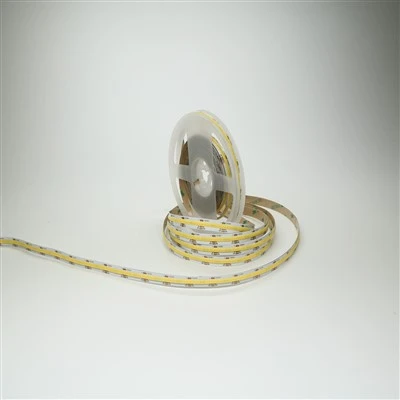
Cob CCT
1,Newest COB technology (Chip-On-Board), linear lighting with adjustable CCT range from 2700K to 6500K.2,Excellent
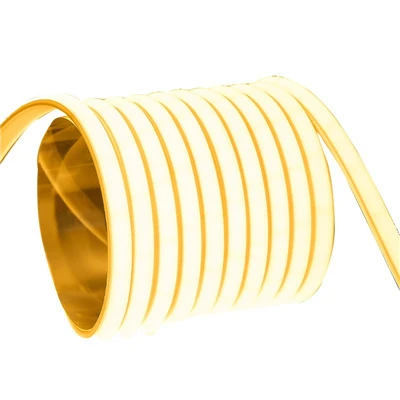
Solar Led Strip Light
1,Solar powered, no connect electricity needed, save power cost effectively.2,Auto charge in daytime, auto light up at

Digital Led Neon Flex
1, Fully compliant with the DMX512(1990) protocol, working with most lighting controllers and systems.2,Individual

Neon Flex 360
1, Professional structural design with uniform‑width end caps, 2, delivering high luminous efficiency, consistent
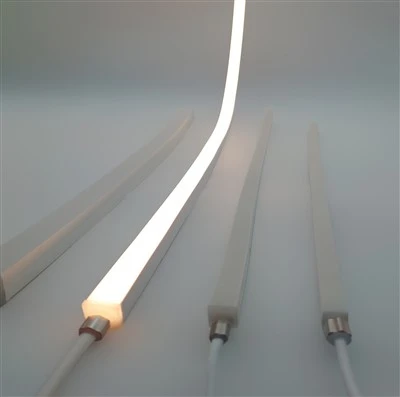
Neon Flex Rgb
1,SMD design with IP67 neon extrusion, dot‑free & flexible linear lighting.2,high transmittance silicone , UV &

3mm Cob Led Strip
1, Super slim with minimum 2.7mm PCB width, ideal for narrow‑gap & hidden lighting.2,Optional PCB widths:

Ip67 Cob Led Strip
1, Two‑Color Neon Extrusion : Hollow Extrusion with IP67 Rating & Solid Extrusion with IP68 Rating.2,Environmental

Rgb Cct Cob
1, RGBCCT light strip, in addition to the RGB color changing light, you can also adjust the CCT of pure white light.2,

Electric Open Signs for Shop
LED neon OPEN signs powered by 5V USB & Type-C ports, easy and flexible power supply. Diverse classic OPEN letter

Coffee Led Sign
Stylish coffee-themed LED neon sign adds warm cozy vibes to indoor space and daily ambiance.Ideal commercial signage

Smoke Shop Led Sign
Dedicated LED neon signs themed for smoking & no smoking reminders, ideal for smoke shops, bars, cafes and public

Xoxo Pink Neon Sign
Made of high-quality silicone LED neon flex and sturdy clear acrylic backing, durable for long-term use.Eye-catching

Writable LED Message Bulb
Custom writable LED message bulb, support all personalized text: Love, Baby Girl, Baby Boy, Relax and more.Handmade

Bedroom Decor LED Message Bulb
This LED message bulb comes with diverse themed patterns, ideal for stylish bedroom decor to match various decoration

Romantic LED Message Bulb
Designed with romantic & love-themed patterns, this LED message bulb creates a dreamy glow and enhances romantic

Birthday Gift LED Message Bulb
Built-in rechargeable lithium battery for cordless portable use Equipped with USB Type-C charging port for easy daily