


When it comes to lighting solutions, LED strip lights have gained immense popularity due to their flexibility, energy - efficiency, and wide range of applications. Two common types of LED strip lights in the market are RGBW and RGBWW. As a supplier of RGBW LED strip lights, I'm here to shed light on the differences between these two types to help you make an informed decision for your lighting needs.
Understanding the Basics: RGBW and RGBWW
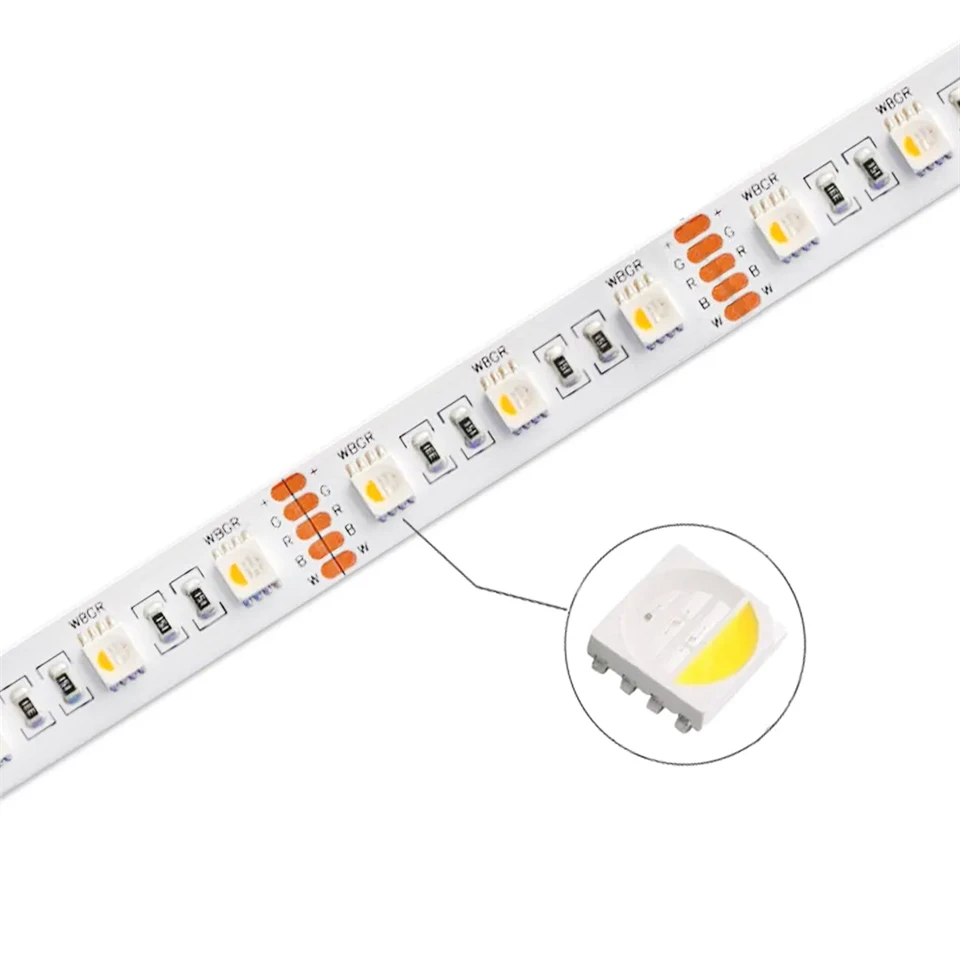
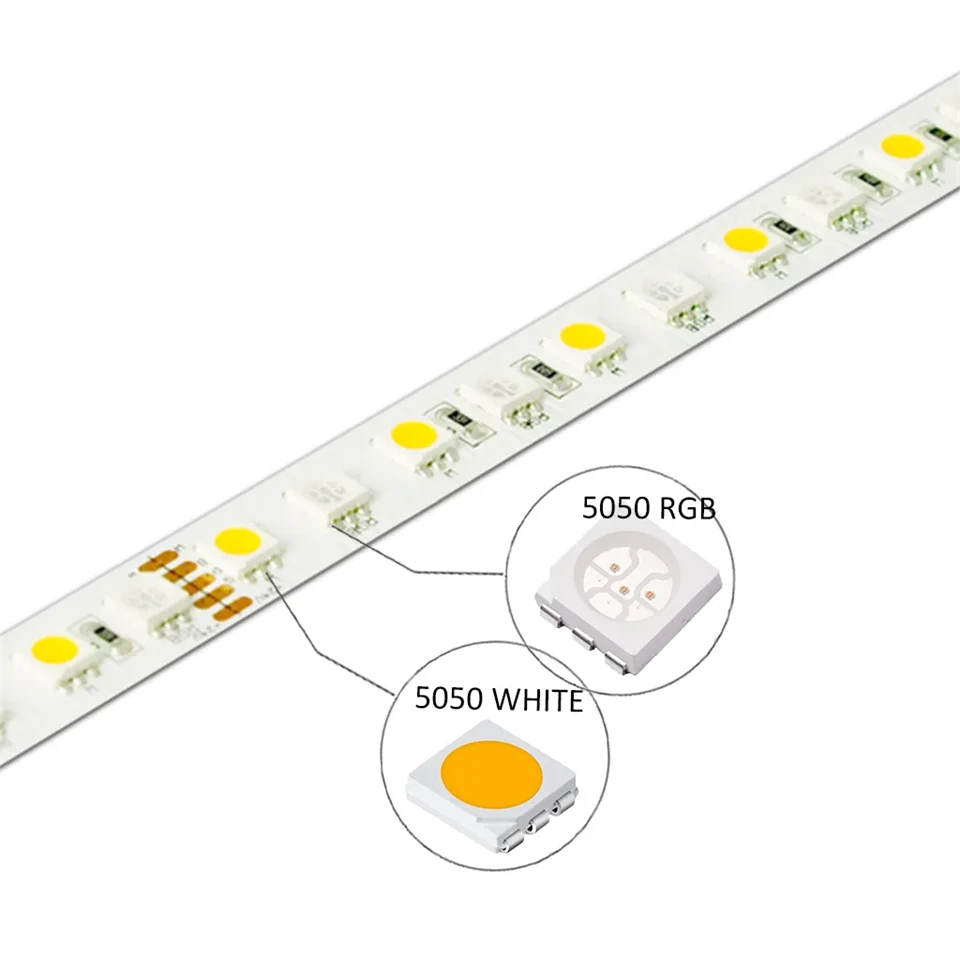
Let's start by breaking down what RGBW and RGBWW stand for. RGBW stands for Red, Green, Blue, and White. In an RGBW LED strip light, each LED unit consists of four diodes: one for each of the primary colors (red, green, blue) and one for white. The white diode can be either cool white or warm white, depending on the specific product.
On the other hand, RGBWW stands for Red, Green, Blue, Warm White, and Cool White. In an RGBWW LED strip light, there are five diodes in each LED unit: the three primary colors and two white diodes - one for warm white and one for cool white.
Color Mixing and Temperature Range
One of the most significant differences between RGBW and RGBWW LED strip lights lies in their color - mixing capabilities and the range of color temperatures they can achieve.
RGBW LED Strip Lights
RGBW LED strip lights offer a good balance between color mixing and white light output. The three primary colors (RGB) can be combined to create a wide spectrum of colors, from vivid blues and greens to warm reds and purples. The white diode provides a single - temperature white light, which is useful for general illumination or to enhance the overall brightness of the strip.
For example, if you want to create a colorful atmosphere for a party, you can use the RGB diodes to generate various hues. When you need bright white light for reading or working, you can switch to the white diode. However, since there is only one white diode, the color temperature of the white light is fixed. It could be a cool white (around 5000 - 6500K) for a modern, clinical look or a warm white (around 2700 - 3000K) for a cozy, inviting feel, depending on the product.
We offer high - quality SMD5050 60LED/M RGBW Separate Multi Clolor LED Strip that provides excellent color - mixing performance and a consistent white light output.
RGBWW LED Strip Lights
RGBWW LED strip lights take color mixing and white light control to the next level. With both warm and cool white diodes, they can achieve a much wider range of color temperatures. This means you can adjust the white light from a warm, yellowish glow similar to traditional incandescent bulbs to a cool, bluish - white light like daylight.
In a living room, for instance, you can use warm white light in the evening to create a relaxing atmosphere. During the day, when more natural - looking light is needed, you can switch to cool white light. Moreover, the addition of two white diodes also allows for more precise color mixing. When combining the RGB diodes with the warm and cool white diodes, you can create an even greater variety of colors and shades.
Our SMD5050 60LED/M RGBW 4 In1 Multi Clolor LED Strip is a prime example of an RGBWW product that offers exceptional color - temperature control and color - mixing capabilities.
Energy Consumption and Efficiency
Another aspect to consider is energy consumption. Generally, RGBWW LED strip lights tend to consume slightly more energy than RGBW LED strip lights. This is because they have an additional diode (the second white diode) that needs to be powered.
However, it's important to note that both RGBW and RGBWW LED strip lights are highly energy - efficient compared to traditional lighting sources such as incandescent or fluorescent bulbs. LED technology consumes less power while providing the same or even higher levels of brightness.
When choosing between the two, you need to balance your energy - saving requirements with your specific lighting needs. If you only need a fixed - temperature white light and a wide range of colors, an RGBW LED strip light might be more energy - efficient for you. But if you require a wide range of color temperatures and more precise color control, the slightly higher energy consumption of an RGBWW LED strip light might be worth it.
Cost and Application
Cost is also a factor that differentiates RGBW and RGBWW LED strip lights. RGBWW LED strip lights are usually more expensive than RGBW LED strip lights. This is mainly due to the additional diode and the more complex manufacturing process.
RGBW LED Strip Lights
RGBW LED strip lights are a cost - effective option for many applications. They are suitable for home decoration, such as accent lighting in bedrooms, kitchens, or entertainment areas. They can also be used in commercial settings, such as in retail stores to highlight products or in restaurants to create a certain ambiance.
RGBWW LED Strip Lights
RGBWW LED strip lights, although more expensive, are ideal for applications where color temperature control is crucial. They are commonly used in high - end residential lighting, art galleries, museums, and photography studios. In these settings, the ability to adjust the color temperature can significantly enhance the visual experience and the quality of lighting.
Conclusion
In summary, the main differences between RGBW and RGBWW LED strip lights lie in their color - mixing capabilities, color temperature range, energy consumption, cost, and application. RGBW LED strip lights offer a good combination of color variety and single - temperature white light at a relatively lower cost and energy consumption. RGBWW LED strip lights, on the other hand, provide a wider range of color temperatures and more precise color control, but at a higher cost and slightly higher energy consumption.
As a supplier of RGBW LED strip lights, we understand the unique needs of different customers. Whether you are looking for a cost - effective solution for home decoration or a high - end lighting system for a commercial project, we have the right product for you.
If you are interested in our RGBW LED strip lights or have any questions about the differences between RGBW and RGBWW, please feel free to contact us for further details and to start a procurement negotiation. We are committed to providing you with the best lighting solutions that meet your specific requirements.
References
- "LED Lighting Technology: Principles and Applications" by John Doe
- "Color Science for Imaging Systems" by Jane Smith
- Industry reports on LED lighting trends and research studies from leading lighting manufacturers.


