


When it comes to creating dynamic and vibrant lighting effects, RGBW LED strip lights are an excellent choice. As a leading RGBW LED strip light supplier, I understand the importance of providing clear guidance on how to connect these lights to a power source. In this blog post, I'll walk you through the process step by step, ensuring that you can install your LED strip lights safely and effectively.
Understanding RGBW LED Strip Lights
Before we dive into the connection process, let's briefly understand what RGBW LED strip lights are. RGBW stands for Red, Green, Blue, and White. These strip lights combine these four colors to produce a wide spectrum of colors, including pure white light. This makes them ideal for a variety of applications, such as home decoration, stage lighting, and commercial displays.
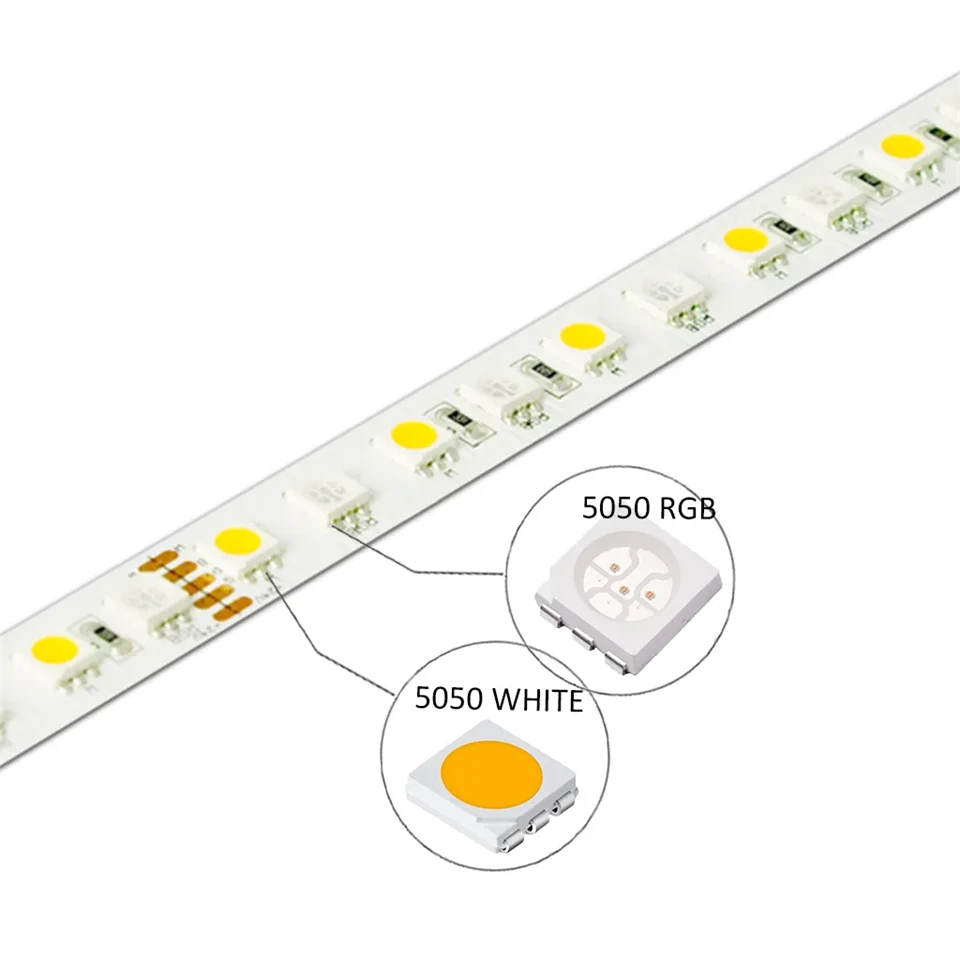
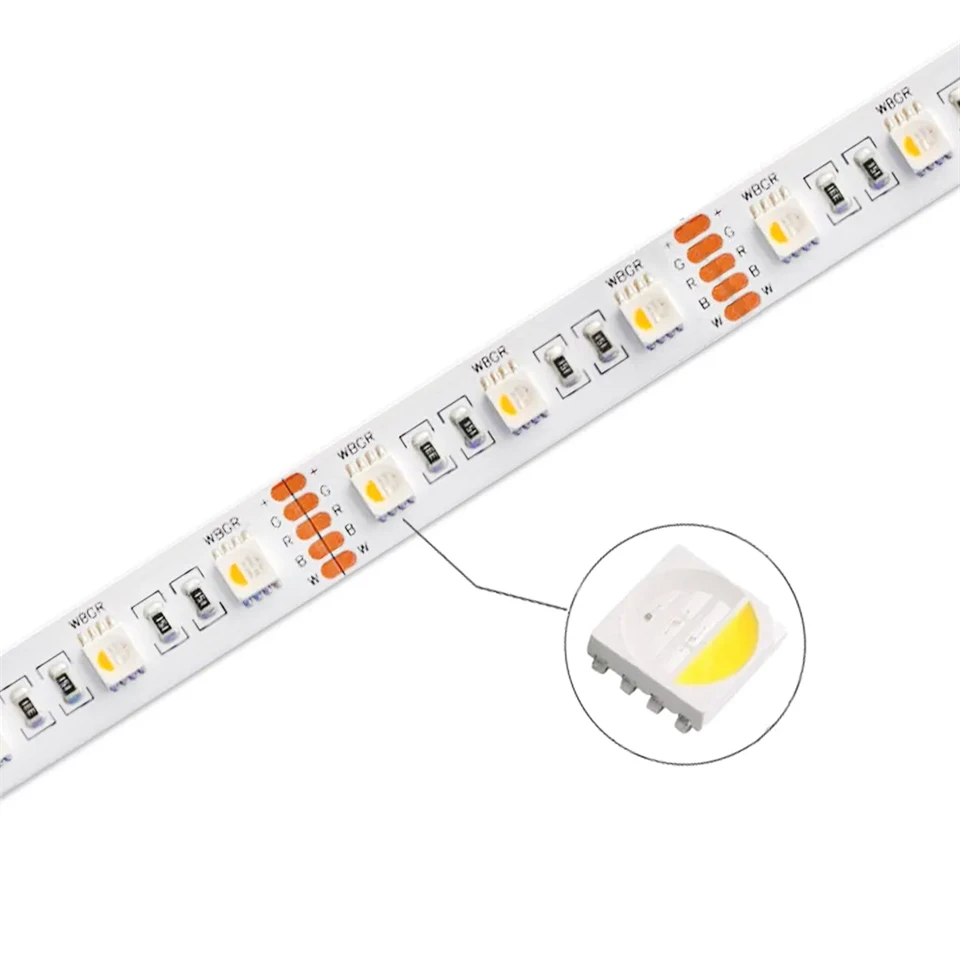
Our company offers two popular types of RGBW LED strip lights: SMD5050 60LED/M RGBW Separate Multi Clolor LED Strip and SMD5050 60LED/M RGBW 4 In1 Multi Clolor LED Strip. The separate multi-color strip has individual LEDs for each color, allowing for more precise color control. The 4-in-1 multi-color strip, on the other hand, combines the four colors into one LED, providing a more uniform lighting effect.
Step 1: Gather the Necessary Tools and Materials
To connect your RGBW LED strip lights to a power source, you'll need the following tools and materials:
- RGBW LED strip lights
- Power supply: Make sure the power supply has the correct voltage and wattage to match your LED strip lights.
- Connector wires: These are used to connect the LED strip lights to the power supply.
- Soldering iron and solder (optional): If you need to make permanent connections, soldering can provide a more secure connection.
- Electrical tape or heat shrink tubing: This is used to insulate the connections and prevent short circuits.
Step 2: Determine the Power Requirements
Before connecting the LED strip lights to the power supply, you need to determine the power requirements of the strip lights. Check the product specifications to find out the voltage and wattage of the LED strip lights. The voltage is usually either 12V or 24V, and the wattage depends on the length and density of the strip lights.
For example, if you have a 5-meter long SMD5050 60LED/M RGBW Separate Multi Clolor LED Strip with a wattage of 14.4W per meter, the total wattage of the strip lights would be 5 x 14.4 = 72W. You'll need a power supply that can provide at least 72W of power at the correct voltage.
Step 3: Prepare the LED Strip Lights
Before connecting the LED strip lights to the power supply, you need to prepare the strip lights. If the strip lights come with pre-attached connectors, you can skip this step. Otherwise, you'll need to cut the strip lights to the desired length using a pair of scissors or a sharp knife. Make sure to cut the strip lights at the designated cutting points, which are usually marked on the strip lights.
If you need to make a connection between two strip lights, you can use a connector wire or solder the two ends together. If you're using a connector wire, make sure to match the colors of the wires on the strip lights and the connector wire. If you're soldering the two ends together, make sure to clean the ends of the strip lights and apply a small amount of solder to each end before joining them together.
Step 4: Connect the LED Strip Lights to the Power Supply
Once you've prepared the LED strip lights, it's time to connect them to the power supply. There are two main ways to connect the LED strip lights to the power supply: using a connector or soldering.
Using a Connector
If you're using a connector, simply insert the connector into the end of the LED strip lights and the power supply. Make sure to match the colors of the wires on the connector and the power supply. If the connector has a locking mechanism, make sure to lock it in place to prevent the connector from coming loose.
Soldering
If you're soldering the LED strip lights to the power supply, you'll need to use a soldering iron and solder. First, clean the ends of the LED strip lights and the power supply wires with a wire brush or sandpaper. Then, apply a small amount of solder to each end of the wires. Next, heat the ends of the wires with the soldering iron and join them together. Make sure to apply enough heat to melt the solder and create a strong connection.
Once you've made the connection, use electrical tape or heat shrink tubing to insulate the connection and prevent short circuits. Make sure to cover the entire connection with the electrical tape or heat shrink tubing.
Step 5: Test the Connection
After connecting the LED strip lights to the power supply, it's important to test the connection to make sure everything is working properly. Turn on the power supply and check if the LED strip lights light up. If the LED strip lights don't light up, check the connections to make sure they're secure and the power supply is providing the correct voltage.
If the LED strip lights are flickering or not producing the correct colors, check the wiring to make sure the colors are matched correctly. You may also need to adjust the settings on the power supply or a controller if you're using one.
Step 6: Secure the LED Strip Lights
Once you've tested the connection and everything is working properly, it's time to secure the LED strip lights in place. You can use double-sided tape or mounting clips to attach the LED strip lights to the desired surface. Make sure to clean the surface before attaching the LED strip lights to ensure a strong bond.
If you're using the LED strip lights in a wet or damp environment, make sure to use waterproof LED strip lights and a waterproof power supply. You may also need to use a waterproof connector or seal the connections with silicone sealant to prevent water from getting into the connections.
Conclusion
Connecting RGBW LED strip lights to a power source is a relatively simple process that can be done by anyone with basic electrical knowledge. By following the steps outlined in this blog post, you can install your LED strip lights safely and effectively.
If you have any questions or need further assistance, please don't hesitate to contact us. As a leading RGBW LED strip light supplier, we're committed to providing our customers with high-quality products and excellent customer service. We offer a wide range of RGBW LED strip lights, power supplies, and controllers to meet your specific needs. Whether you're a DIY enthusiast or a professional installer, we have the products and expertise to help you create the perfect lighting solution.
If you're interested in purchasing RGBW LED strip lights or other lighting products, please visit our website or contact us to discuss your requirements. We look forward to working with you to create the perfect lighting solution for your project.
References
- LED Lighting Technology Handbook
- Electrical Wiring Installation Guide


