


RGBW LED strip lights have gained significant popularity in recent years due to their versatility and ability to create a wide range of lighting effects. As a supplier of high - quality RGBW LED strip lights, I often receive inquiries about their suitability for various applications, including hallways. In this blog post, I will explore whether RGBW LED strip lights can be effectively used in a hallway, discussing their advantages, considerations, and installation tips.
Advantages of Using RGBW LED Strip Lights in a Hallway
1. Customizable Lighting
One of the most significant advantages of RGBW LED strip lights is their ability to produce a vast spectrum of colors. In a hallway, this can be used to create different moods and atmospheres. For example, during the day, you can set the lights to a bright white color to provide ample illumination for safe passage. At night, you can switch to a soft, warm color like orange or red to create a more relaxing and inviting ambiance. This level of customization is not possible with traditional lighting sources.
2. Energy Efficiency
LED lights are known for their energy - saving properties. RGBW LED strip lights consume significantly less energy compared to incandescent or fluorescent lights. In a hallway, where lights may be left on for extended periods, this can result in substantial energy savings over time. Additionally, LED lights have a longer lifespan, which means less frequent replacement and lower maintenance costs.
3. Flexibility in Installation
RGBW LED strip lights are highly flexible and can be easily installed in various locations within a hallway. They can be bent around corners, adhered to different surfaces, and cut to fit specific lengths. This makes them suitable for hallways of different shapes and sizes, whether it's a long, narrow corridor or a wide, open hallway.
4. Decorative Appeal
These strip lights can add a decorative touch to a hallway. You can use them to highlight architectural features, such as moldings or columns, or to create a unique lighting pattern. For instance, you could install the lights along the baseboard or ceiling perimeter, giving the hallway a modern and stylish look.
Considerations When Using RGBW LED Strip Lights in a Hallway
1. Lighting Levels
While RGBW LED strip lights offer a wide range of colors, it's important to ensure that they provide sufficient illumination for safe movement in the hallway. When choosing the lights, consider the brightness level, usually measured in lumens. For a hallway, a higher lumen output may be required, especially if it is a long or dimly - lit area.
2. Color Temperature
The color temperature of the lights can also affect the overall feel of the hallway. Cool white light (around 5000 - 6500K) is ideal for areas where task lighting is needed, such as reading or finding keys. Warm white light (around 2700 - 3000K) is more suitable for creating a cozy and inviting atmosphere. You may want to choose a strip light that allows you to adjust the color temperature according to your needs.
3. Control System
To fully utilize the features of RGBW LED strip lights, a proper control system is necessary. There are various types of control systems available, including remote controls, smartphone apps, and voice - controlled systems. Consider which type of control system is most convenient for you and your hallway's usage.
4. Heat Dissipation
Although LED lights generate less heat compared to traditional lights, they still produce some heat. In a hallway, proper heat dissipation is important to ensure the longevity of the lights. Make sure to install the strip lights in a well - ventilated area and avoid covering them with insulation or other materials that may trap heat.
Recommended RGBW LED Strip Lights for Hallways
As a supplier, I recommend two of our popular products for hallway applications:
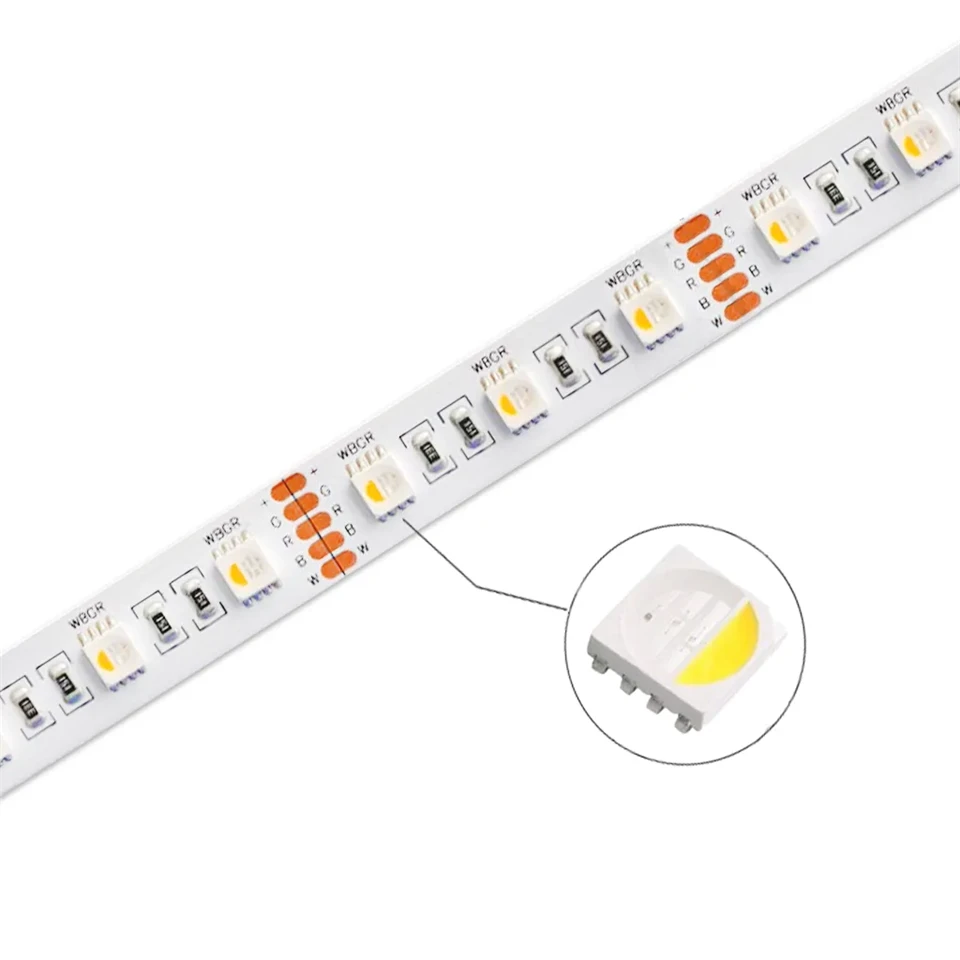
- SMD5050 60LED/M RGBW 4 In1 Multi Clolor LED Strip: This strip light offers a high - density of 60 LEDs per meter, providing bright and uniform illumination. The 4 - in - 1 design combines red, green, blue, and white LEDs, allowing for a wide range of color combinations.
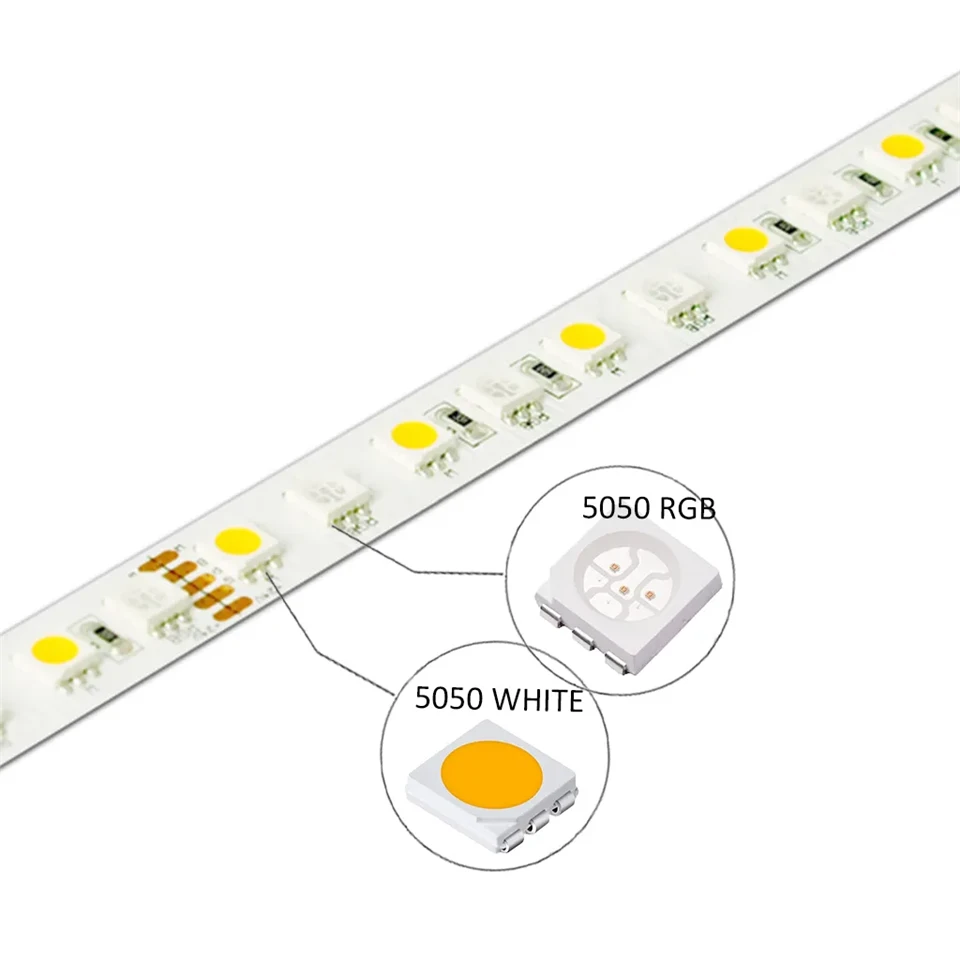
- SMD5050 60LED/M RGBW Separate Multi Clolor LED Strip: This product features separate RGBW LEDs, which gives more precise control over each color. It is also suitable for creating complex lighting effects in a hallway.
Installation Tips for RGBW LED Strip Lights in Hallways
1. Surface Preparation
Before installing the strip lights, make sure the surface is clean, dry, and smooth. This will ensure a strong adhesion of the lights. You can use a mild detergent to clean the surface and let it dry completely.
2. Measuring and Cutting
Measure the length of the hallway where you want to install the lights and cut the strip lights accordingly. Most RGBW LED strip lights can be cut at specific intervals, usually marked on the strip. Use a sharp pair of scissors or a utility knife to make clean cuts.
3. Power Supply
Choose a suitable power supply for the strip lights. The power supply should match the voltage and wattage requirements of the lights. Make sure to follow the manufacturer's instructions when connecting the power supply to avoid any electrical hazards.
4. Mounting
Peel off the adhesive backing of the strip lights and carefully stick them to the prepared surface. Press firmly to ensure good contact. You can also use additional mounting clips or brackets for added security, especially in areas where the lights may be subject to vibration or movement.
Conclusion
In conclusion, RGBW LED strip lights can be an excellent choice for a hallway. They offer customizable lighting, energy efficiency, flexibility in installation, and decorative appeal. However, it's important to consider factors such as lighting levels, color temperature, control systems, and heat dissipation. By choosing the right products and following the proper installation tips, you can create a beautiful and functional lighting solution for your hallway.
If you are interested in purchasing RGBW LED strip lights for your hallway or have any questions about our products, please feel free to contact us. We are here to help you find the best lighting solution for your needs.
References
- "LED Lighting Handbook" by Lighting Research Center
- "Energy - Efficient Lighting Solutions" by Department of Energy


